Canadian Federal Budget: What Truck Drivers and Transportation Businesses Need to Know
The Canadian Federal Budget is more than just the Government of Canada’s annual financial plan—it influences the policies, investments, and tax measures that shape industries across the country, including transportation and logistics. For owner-operators, incorporated truck drivers, fleet owners, and transportation companies, the budget can introduce initiatives that affect operating costs, business planning, infrastructure development, taxation, and long-term growth.
Canada’s trucking industry is responsible for moving the majority of goods traded across the country and with the United States. As the industry continues to face challenges such as rising operating costs, driver shortages, changing environmental regulations, and evolving supply chains, the Canadian Federal Budget plays an important role in supporting economic growth and improving transportation efficiency.
Whether you operate a single truck or manage an entire fleet, understanding the Canadian Federal Budget can help you identify opportunities, prepare for policy changes, and make informed financial decisions for your business.
Why the Canadian Federal Budget Matters to the Trucking Industry
The trucking industry is one of Canada’s economic backbones. Every day, thousands of transportation businesses move goods that keep manufacturers, retailers, construction companies, healthcare providers, and consumers supplied.
Government decisions announced in the Canadian Federal Budget can influence:
- Transportation infrastructure
- Business taxation
- Investment incentives
- Border efficiency
- Workforce development
- Clean transportation initiatives
- Supply chain resilience
Although not every budget introduces trucking-specific measures, many announcements indirectly affect transportation businesses through broader economic policies and investments.
Infrastructure Investments Support Freight Movement
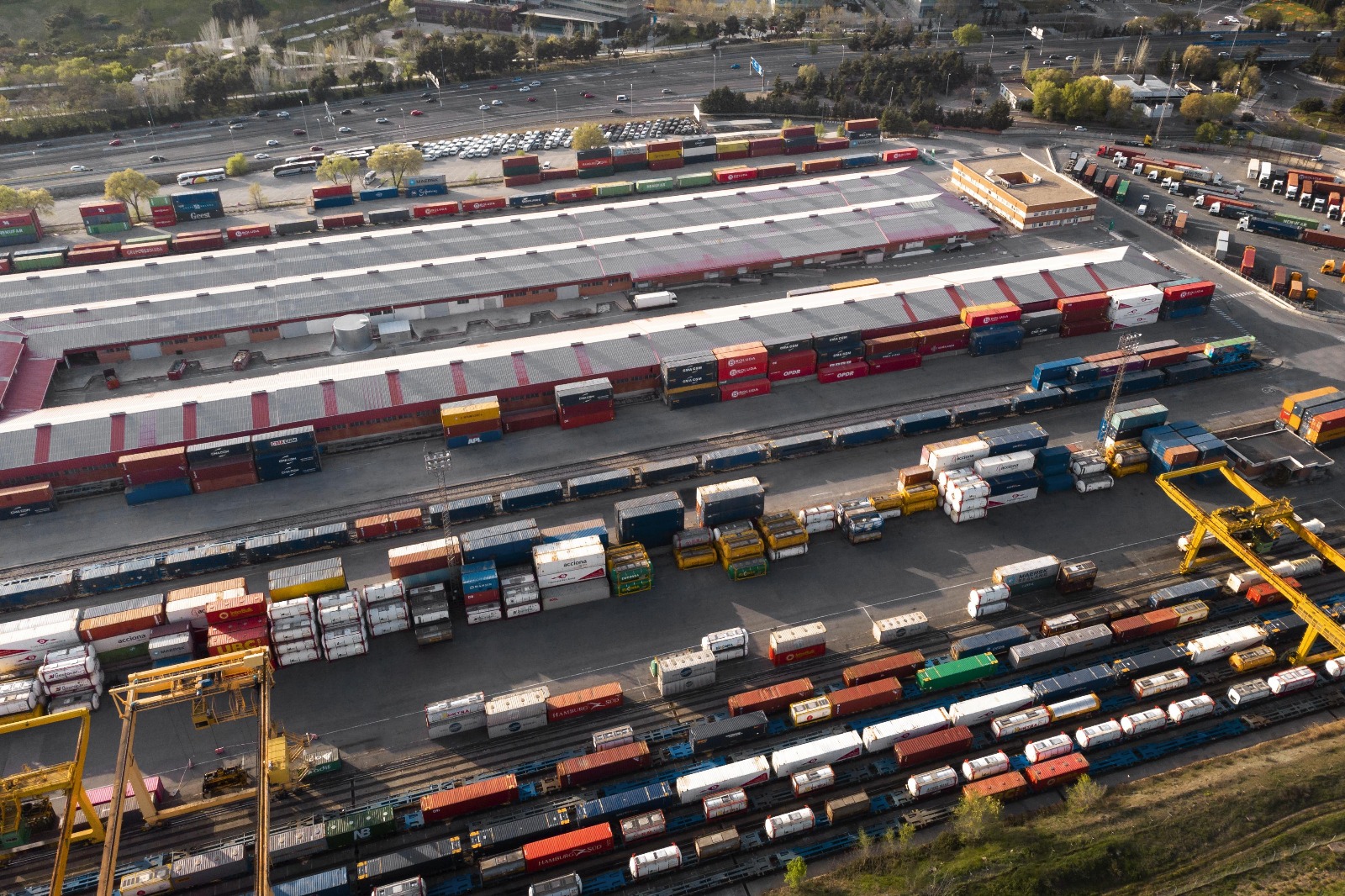
Efficient transportation depends on reliable infrastructure. Investments announced through the Canadian Federal Budget often include funding for highways, bridges, trade corridors, ports, and border infrastructure that support the movement of commercial freight.
Improved transportation infrastructure may help:
- Reduce travel delays
- Improve delivery efficiency
- Lower vehicle wear and tear
- Strengthen Canada’s supply chains
- Improve cross-border trade
For trucking companies operating across provinces or internationally, improvements in transportation infrastructure can contribute to greater operational efficiency over the long term.

Tax Measures That May Affect Trucking Businesses
Each Canadian Federal Budget may introduce proposed tax measures affecting incorporated businesses, self-employed professionals, and small business owners.
Depending on the announcements, trucking businesses should review whether changes could influence:
- Corporate tax planning
- Business expense deductions
- Equipment purchases
- Capital investments
- Cash flow management
- Year-end tax planning
Because proposed tax measures may require legislation before becoming law, businesses should review official announcements carefully before making significant financial decisions.
Fleet Investment and Equipment Planning
Commercial vehicles represent one of the largest investments made by trucking businesses.
The Canadian Federal Budget may include measures intended to encourage business investment, improve productivity, or support modernization within Canadian industries.
Before expanding a fleet or purchasing new equipment, transportation businesses should evaluate:
- Financing options
- Expected return on investment
- Maintenance costs
- Cash flow requirements
- Tax implications
- Long-term business objectives
Making investment decisions within a broader financial strategy can help businesses manage growth more effectively.
Fuel Costs and Environmental Initiatives
Fuel remains one of the largest operating expenses for many trucking businesses.
Federal budgets often include announcements related to environmental policies, clean technology, emissions reduction, or transportation sustainability. While these initiatives may create opportunities for fleet modernization, they may also require businesses to evaluate future operating costs and long-term planning.
Transportation companies should continue monitoring policy developments that may influence:
- Fuel-related expenses
- Alternative fuel technologies
- Fleet modernization
- Environmental compliance
- Operational efficiency
Labour and Workforce Development
Finding and retaining qualified drivers continues to be one of the trucking industry’s ongoing challenges.
The Canadian Federal Budget may introduce investments related to workforce development, skills training, immigration programs, or labour market initiatives that support industries experiencing labour shortages.
For transportation businesses planning future growth, workforce availability remains an important consideration alongside equipment, financing, and customer demand.
Cross-Border Trade and Supply Chains
Canada’s trucking industry plays a vital role in international trade, particularly with the United States.
Federal investments in border infrastructure, customs modernization, and trade corridor improvements may help strengthen supply chains and improve freight movement.
For businesses involved in cross-border transportation, efficient trade infrastructure can contribute to:
- Shorter border wait times
- Improved delivery reliability
- Reduced transportation delays
- Better customer service
- Increased competitiveness
Financial Planning After Every Canadian Federal Budget
Every business should review the Canadian Federal Budget as part of its annual financial planning process.
Trucking businesses may wish to evaluate:
- Business budgets
- Cash flow forecasts
- Fleet replacement plans
- Equipment financing requirements
- Tax planning strategies
- Business growth objectives
- Corporate compliance obligations
Taking a proactive approach allows business owners to adapt more effectively to changing economic conditions and government policies.
How Assentt Helps Trucking Businesses
The transportation industry operates in a complex financial and regulatory environment. Understanding how government policies may affect your business is only one part of building a successful operation.
At Assentt, we specialize in supporting owner-operators, incorporated truck drivers, and transportation companies across Canada.
Our services include:
- Accounting for Truck Drivers
- Corporate Tax Returns
- Personal Tax Returns
- GST/HST Compliance
- Bookkeeping
- Payroll Services
- Business Incorporation
- Financial Statements
- Tax Planning
- CRA PSB Review Assistance
- Business Advisory Services
Whether you’re expanding your fleet, reviewing your tax strategy, or preparing for future business growth, our team is here to help you make informed financial decisions.
Conclusion
The Canadian Federal Budget helps shape Canada’s economic direction and influences many areas that affect the trucking industry, from transportation infrastructure and business taxation to workforce development and investment incentives. While not every announcement directly targets trucking businesses, understanding the broader economic measures can help owner-operators and transportation companies prepare for future opportunities and challenges.
Reviewing the budget each year, evaluating its potential impact on your business, and seeking professional guidance when needed can support better financial planning and long-term business success. At Assentt, we’re committed to helping trucking businesses across Canada navigate changing tax policies, strengthen financial performance, and build a solid foundation for sustainable growth.
The information provided is for educational/entertainment purposes only. Actual information may vary, please consult our office for further details. Got a question? Feel free to reach us at helpdesk@assentt.com.