Cost of Living in Canada 2026: Housing, Food & Household Affordability Guide
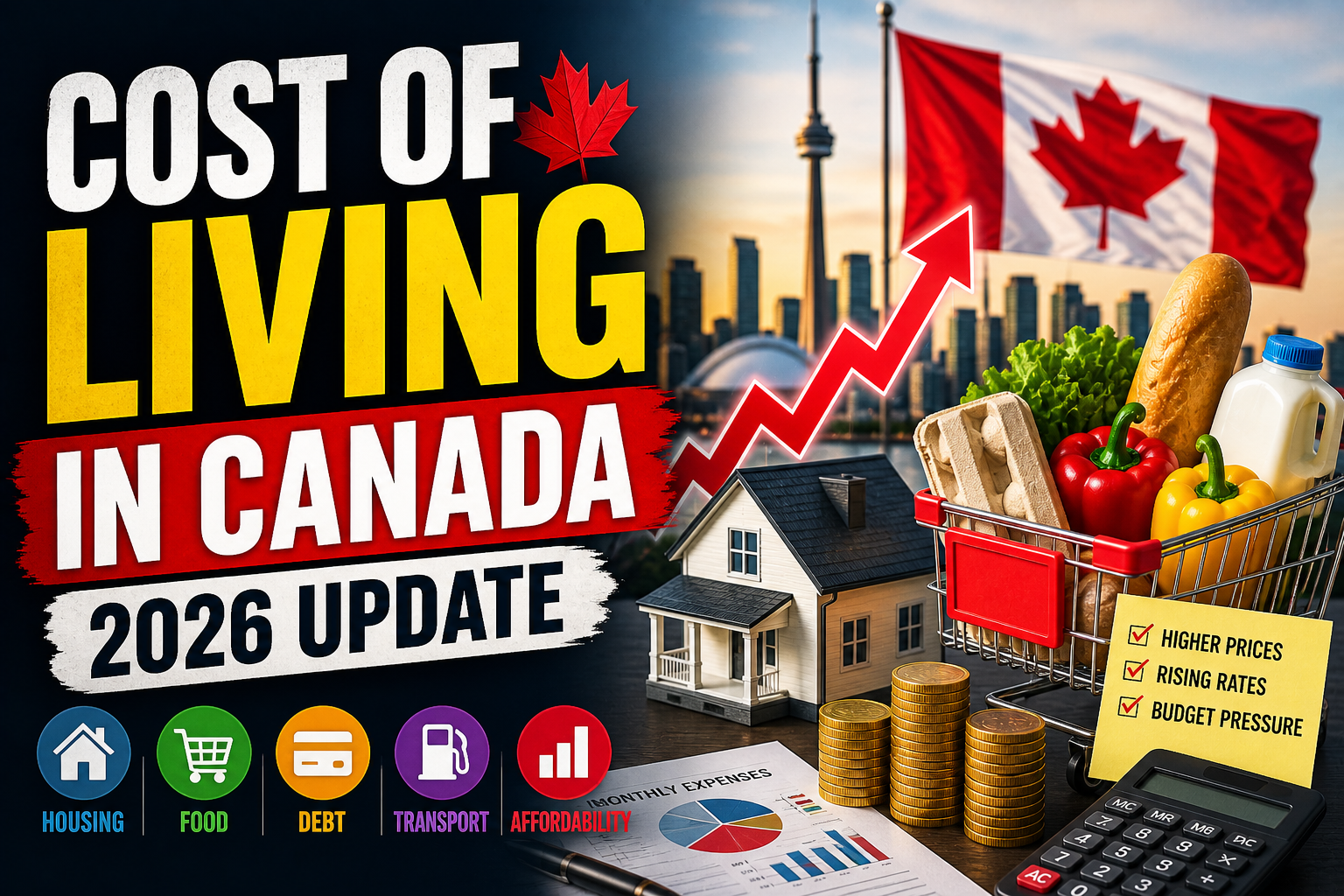
The Cost of Living in Canada 2026 continues to be one of the most important financial concerns for individuals, families, newcomers, students, and business owners. While inflation has eased compared to previous years, many Canadians are still feeling the impact of higher housing costs, grocery prices, transportation expenses, insurance premiums, and debt payments.
Understanding where your money goes is the first step toward making better financial decisions. Whether you’re planning to move to Canada, starting a career, raising a family, or running a business, knowing the current cost of living can help you budget more effectively and prepare for future expenses.
This guide explores the major factors affecting the Cost of Living in Canada 2026, compares expenses across different cities, and shares practical strategies to help Canadians manage rising costs.
What Is the Cost of Living?
The cost of living refers to the amount of money required to maintain a certain standard of living. It includes essential expenses such as:
- Housing
- Groceries
- Transportation
- Utilities
- Healthcare-related costs
- Childcare
- Insurance
- Internet and mobile services
- Taxes
- Entertainment and personal spending
Although income levels vary across Canada, understanding these expenses helps individuals create realistic budgets and make informed financial decisions.

Housing Continues to Be the Largest Expense
For most Canadians, housing remains the single biggest monthly expense.
Whether renting or purchasing a home, housing costs differ significantly depending on the province and city. Large metropolitan areas such as Toronto and Vancouver generally have higher housing costs than many smaller cities or rural communities.
Housing expenses often include:
- Rent or mortgage payments
- Property taxes
- Condominium fees
- Home insurance
- Utilities
- Maintenance costs
Before choosing where to live, it’s important to evaluate both housing costs and employment opportunities rather than focusing solely on rental prices.
Grocery Prices Remain a Key Household Concern
Food continues to represent a significant portion of household spending.
Although food inflation has moderated compared to previous years, many Canadians continue to notice higher prices for everyday items including:
- Dairy products
- Meat and poultry
- Fresh fruits
- Vegetables
- Restaurant meals
- Packaged foods
Planning meals, shopping with a grocery list, purchasing seasonal produce, and comparing prices between retailers can help reduce monthly food expenses.
Transportation Costs Add Up Quickly
Transportation expenses extend well beyond purchasing a vehicle.
Depending on where you live, transportation costs may include:
- Vehicle financing
- Fuel
- Insurance
- Maintenance
- Public transit
- Parking
- Vehicle registration
Residents of larger cities often benefit from public transportation systems, while those living in suburban or rural areas may rely more heavily on personal vehicles.
Utilities and Everyday Living Expenses
In addition to housing, Canadians should budget for regular monthly household expenses such as:
- Electricity
- Natural gas
- Water
- Internet
- Mobile phone plans
- Streaming services
- Home maintenance
These recurring expenses can vary depending on household size, location, and lifestyle.
Childcare and Education Costs
Families with young children may also face childcare expenses, which can represent a substantial portion of monthly budgets.
While government-supported childcare programs have improved affordability in many provinces, costs can still vary significantly depending on:
- Province
- Child’s age
- Type of childcare
- Availability of licensed providers
Education-related expenses may also include:
- School supplies
- Post-secondary tuition
- Books
- Student housing
- Transportation
Cost of Living Varies Across Canadian Cities
There is no single cost of living for Canada because expenses differ from one city to another.
Generally speaking:
Higher Cost Cities
- Toronto
- Vancouver
- Victoria
These cities often have higher housing prices but also offer larger employment markets and greater access to public transportation.
Moderate Cost Cities
- Ottawa
- Calgary
- Edmonton
- Halifax
- Winnipeg
Many Canadians find these cities offer a balance between employment opportunities and overall affordability.
Smaller Communities
Smaller towns and rural communities often have lower housing costs, although employment opportunities and access to public transportation may be more limited.
When comparing cities, consider both income potential and living expenses rather than focusing on one factor alone.
Interest Rates and Household Debt
Interest rates continue to influence household budgets throughout Canada.
Higher borrowing costs can affect:
- Mortgage payments
- Car loans
- Lines of credit
- Credit cards
- Business financing
For households carrying significant debt, changes in interest rates may increase monthly expenses and reduce financial flexibility.
Developing a repayment strategy and reviewing borrowing costs regularly can help improve long-term financial stability.
Practical Ways to Manage the Cost of Living
Although Canadians cannot control inflation or interest rates, there are practical steps that can help manage rising expenses.
Consider:
- Creating a monthly budget.
- Tracking discretionary spending.
- Building an emergency fund.
- Paying down high-interest debt.
- Reviewing insurance policies.
- Comparing utility and internet providers.
- Planning major purchases carefully.
- Seeking professional tax planning advice.
- Taking advantage of available government benefits and tax credits.
Small improvements in financial habits can have a meaningful impact over time.
Final Thoughts
The Cost of Living in Canada 2026 continues to shape the financial decisions of households and businesses across the country. While housing, groceries, transportation, and borrowing costs remain significant considerations, careful budgeting, informed planning, and proactive financial management can help Canadians adapt to changing economic conditions. By understanding your expenses and seeking professional guidance when needed, you can make confident decisions that support your long-term financial well-being.
Sources: Statistics Canada, CMHC, Canada Food Price Report 2026, Rentals.ca (latest available data).
The information provided is for educational/entertainment purposes only. Actual information may vary, please consult our office for further details. Got a question? Feel free to reach us at helpdesk@assentt.com.