
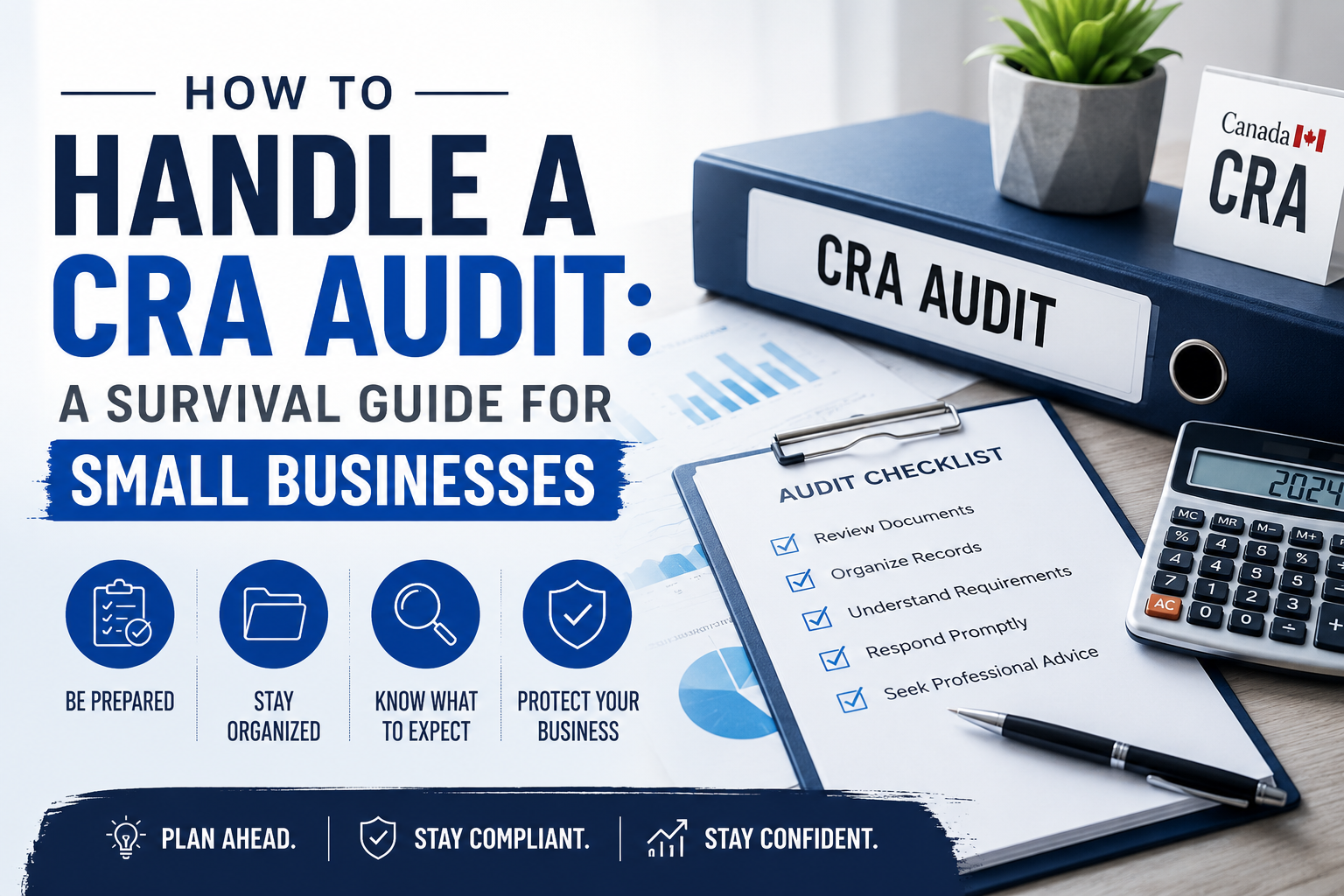
How to Handle a CRA Audit: A Survival Guide for Small Businesses
Receiving an official notice from the Canada Revenue Agency (CRA) can make any business owner anxious. However, a tax audit does not mean your business has done something wrong. It simply means the government wants to verify your reported financial data.
If you are looking to understand how to handle a CRA audit, preparation is your best defense. This guide explains how to handle a CRA audit, outlines your legal rights, and demonstrates how Assentt provides professional representation to protect your business throughout the audit process.
Why Is the CRA Auditing My Business?
Understanding how to handle a CRA audit can significantly reduce stress and improve your chances of a smooth audit experience. Businesses that maintain accurate records, respond promptly to CRA requests, and seek professional guidance are better prepared to navigate the audit process while protecting their financial interests.
Why Is the CRA Auditing My Business?
The CRA uses a combination of automated risk assessment systems and random selection to choose businesses for evaluation. Understanding the common CRA audit red flags can help you understand why your business may have been selected.
- Industry Outliers: Your profit margins or expenses deviate significantly from businesses operating in the same industry or region.
- Frequent Business Losses: Reporting consecutive years of corporate losses while continuing operations may trigger additional review.
- Discrepancies in Tax Filings: Large differences between your corporate income tax return, GST/HST filings, and payroll accounts.
- High Deductions: Unusually high claims for vehicle expenses, travel, meals, or home office deductions compared to your revenue.
How to Handle a CRA Audit: Step-by-Step Process
Knowing how to handle a CRA audit becomes much easier when you understand each stage of the CRA audit process.
1. The Initial Notification Letter
The CRA will contact you by mail or through your CRA My Business Account. The notification identifies your assigned auditor, specifies the tax years under review, and lists the records you must provide.
2. Gathering the Required Documentation
You will need to prepare complete and organized records for the requested period. These commonly include: Bank statements, cancelled cheques, and credit card statements Sales invoices, cash register reports, and digital receipts Purchase invoices and supplier records Corporate minute books and legal agreements
3. The Examination Phase
The auditor may perform either a desk audit remotely or conduct a field audit at your business premises. During this stage, they compare your accounting records with your reported income and expenses to verify compliance.
4. Proposal Letter and Final Assessment
Before finalizing the audit, the CRA issues a Proposal Letter outlining any proposed adjustments. You generally have 30 days to provide additional documentation or explanations before the CRA issues the Final Notice of Reassessment, which outlines any additional taxes, penalties, or interest owing.
Practical Tips on How to Handle a CRA Audit
Learning how to handle a CRA audit also means following proven best practices throughout the process.
Never Ignore CRA Correspondence: Respond within the deadlines provided to avoid unnecessary assessments or penalties.
Communicate Professionally: Provide only the documents and information specifically requested by the auditor.
Maintain Organized Records: Well-organized bookkeeping demonstrates professionalism and allows you to respond efficiently.
Seek Professional Representation: An experienced accountant can communicate directly with the CRA, prepare documentation, and protect your interests throughout the audit.
Frequently Asked Questions (FAQ)
Q1. How many years back can a CRA audit go in Canada?
Generally, the CRA can audit your business up to 3 years from the date on your original Notice of Assessment. However, if the auditor suspects fraud, willful default, or gross negligence, there is no time limit, and they can audit your business indefinitely.
Q2. What happens if I lost my business receipts?
Under CRA guidelines, if you do not have a valid receipt or invoice to prove an expense, the auditor will disallow the deduction, even if the expense was legitimate. Bank statements or credit card logs alone are rarely accepted as full proof of purchase without the supporting line-item receipt.
Q3. Can I appeal the final results of a CRA audit?
Yes. If you disagree with the Final Notice of Reassessment, you have the legal right to file a formal CRA Notice of Objection within 90 days of the assessment date. This routes your file to an independent Appeals Division within the CRA for an impartial review.
Q4. How long does a typical small business audit take?
A simple desk audit focusing on one or two items can be resolved within a few weeks. A comprehensive field audit of an incorporated small business can take anywhere from a few months to over a year to fully conclude, depending on the complexity of the records.
Key Takeaways on How to Handle a CRA Audit
Understanding how to handle a CRA audit is not simply about responding to CRA requests. It involves maintaining accurate financial records, understanding your legal rights, and working with experienced professionals who can help protect your business throughout the audit process.
How Assentt Helps You
The single best way to handle a CRA audit is to let a professional firm handle it for you. Trying to manage an aggressive auditor while running your day-to-day operations leads to costly mistakes.
At Assentt, we step in as your official legal representatives. From the moment you receive an audit letter, we take over all communications, letters, and meetings with the CRA so you never have to deal with them directly.
Our expert audit defense and prevention services include:
-CRA Representation: Managing the entire audit process, answering auditor queries, and defending your deductions.
-Audit-Proof Bookkeeping: Setting up daily record-keeping systems that align perfectly with CRA requirements.
-Notice of Objection Filings: Drafting and fighting formal disputes if the CRA issues an unfair assessment.
-Tax Risk Assessments: Reviewing your past tax returns to identify and fix red flags before the CRA notices them.
Do not let a tax audit threaten your business's financial health. Contact the audit defense specialists at Assentt to protect your enterprise.